
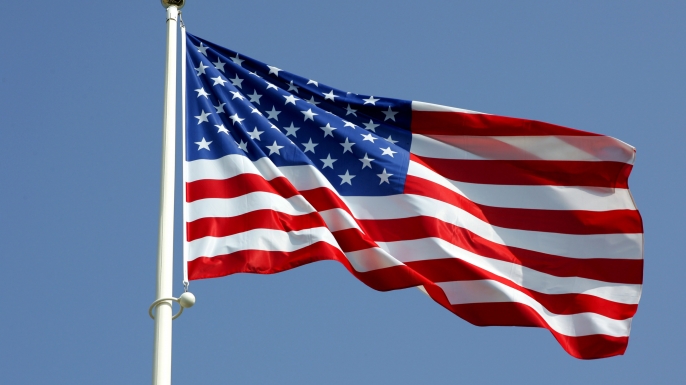
The American flag isn’t just a decoration. It’s a powerful emblem of unity, sacrifice, and national identity. Flying it outdoors is a time-honored tradition —one that comes with responsibility.

You don’t need to be a veteran or a history buff to show it the right way. Whether it’s for your front porch, a business entrance, or a neighborhood flagpole, there’s a respectful way to do it. And yes, materials matter. Before you even hang the flag, you’ll want to know the difference between a nylon vs polyester flag — both common, but designed for different environments.
Need help choosing American flags and poles that hold up in harsh weather? That decision alone can make or break your display.
Let’s walk through everything you need to know — from placement and etiquette to mistakes that are easier to fix than you think.
Know the Rules Before You Raise It
The United States Flag Code sets the tone for how the flag should be treated. Think of it as the unofficial rulebook for respect.
Here’s the basics:
- The flag must never touch the ground.
- It should always fly right-side up.
- Don’t use it for clothing, drapery, or advertising.
Also, the blue field (called the union) should always be at the top left when the flag is displayed horizontally or vertically.
One more thing? If the flag gets torn, faded, or dirty — it’s time to retire it.
Choosing the Right Location: Where Should the Flag Go?
Location speaks volumes.

The flag should be placed where it’s easily visible and free from obstructions. Think:
- The front of your home
- A standalone flagpole in the yard
- A dedicated bracket near the porch
Avoid tight corners or low-hanging areas. You want the flag to move freely and stand out, not get caught in a gutter or blocked by overgrown branches.
For homes and businesses alike, the display should look intentional. Like you meant it — not like an afterthought.
Flagpole Placement: Ground, Wall, or Porch?
Different setups call for different types of poles.
- Ground-mounted poles are best for open yards. They come in various heights — 20 feet is standard for residential use.
- Wall brackets can hold a 5-foot or 6-foot pole at a 45-degree angle. Great for porches.
- Vertical mounts are often used for buildings and storefronts. These require sturdier installations.
The general rule? The flag should always appear upright and unrestricted. If it’s draping awkwardly or scraping a wall, the angle needs adjusting.
Size matters too. A small pole with an oversized flag looks awkward. And a tiny flag on a tall pole? Gets lost in the wind.
Time of Day Etiquette

Here’s a lesser-known fact: the American flag should only be flown from sunrise to sunset — unless it’s properly illuminated at night.
If you’re planning a 24-hour display, make sure there’s a dedicated light shining on it. Think motion-sensor spotlight or solar-powered uplight.
And don’t forget:
- Raise it briskly.
- Lower it slowly and respectfully.
This isn’t about military precision — it’s about care and dignity.
Handling with Respect: Weather, Wear, and Retirement
The flag isn’t indestructible. Rain, snow, and wind will wear it down over time.
Here’s how to keep it in good shape:
- Take it down during extreme weather.
- Clean it gently if it gets dirty.
- Fold it correctly when storing — into a triangle, not a square.
- When the flag becomes too tattered or faded, it’s time for retirement. But not in the trash.
Proper flag disposal includes:
- Burning it in a dignified ceremony (local VFWs or American Legions often help with this)
- Taking it to a flag retirement box (usually found at civic centers or post offices)
Special Occasions & Half-Staff Protocol
There are times when the flag is flown at half-staff as a sign of mourning or national respect.
Some key dates include:
- Memorial Day (from sunrise to noon only)
- September 11
- Pearl Harbor Remembrance Day
Sometimes, state governors or the President issue a proclamation for half-staff flags. Always lower it to exactly halfway down the pole — no guesswork.
Raise it to full height briefly before lowering. And again, when it’s time to bring it in.
Common Mistakes to Avoid (and How to Fix Them)
Even well-meaning flag displays go wrong sometimes. But the good news? Most mistakes are easy to fix.
Common slip-ups:
- Flying a dirty or torn flag.
- Mounting it at the wrong angle.
- Letting it wrap around a pole or gutter.
- Not lighting it at night.
- Flying it alongside larger or taller flags.
The fix is usually simple:
- Replace worn flags.
- Check your mounting bracket.
- Add a swivel clip to prevent tangling.
- Invest in a spotlight.
Remember: it’s not about perfection — it’s about intention.
Honoring the Flag, Honoring the Nation
Displaying the American flag outdoors isn’t complicated. But it is meaningful.
Each guideline, from pole height to lighting, is about one thing: respect.
So, whether you’re putting up a flag for the first time or fine-tuning your current display, think of it as more than decor. Think of it as a tribute to history, to unity, and to the values stitched into every stripe and star.
Want to get it right? Start with the flag. But don’t stop there. Check your pole, check your lighting, and fly it proud.

I agree Denise on everything you posted about American flag. Thanks for information.
Hi, so glad you enjoyed the post. Thank you for visiting and hope you will return.