
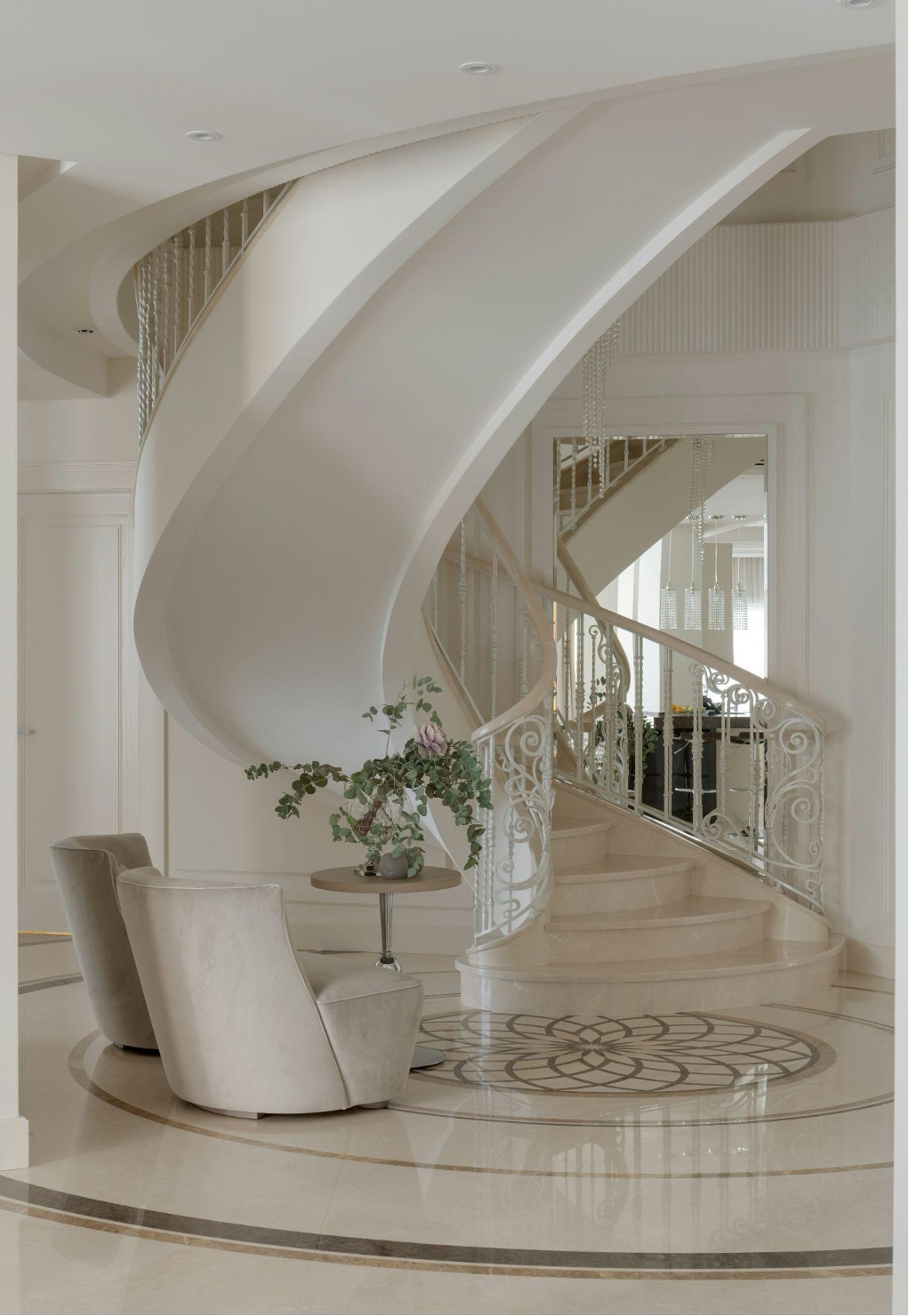
When we think about home décor, we often focus on the main spaces—living rooms, kitchens, and bedrooms. Yet, it’s the transitional areas like hallways and landings that serve as connective tissue in our homes. These overlooked zones hold incredible potential to elevate your entire interior atmosphere. By treating them with the same thoughtfulness as larger rooms, you can transform your home into a seamless flow of style and functionality.

Natural light plays a critical role in how these spaces feel. A thoughtfully placed window can flood a narrow hallway with brightness or provide a stunning backdrop at the top of a staircase landing. With just a few simple styling shifts, these once-forgotten corridors can become focal points of charm, warmth, and personality.
Let’s explore the essential strategies for turning transitional areas into beautiful, functional extensions of your living space
Let There Be Light: Brightening Narrow Hallways
One of the most common issues with hallways is a lack of natural light. These areas are often tucked between rooms, making them prone to shadows and dim corners. Even if you don’t have the option to install new windows or skylights, there are creative ways to brighten these zones.
First, consider the color palette. Light, neutral walls—think soft greys, warm whites, and creamy beiges—reflect light and open up the space. Complement these tones with mirrors to bounce natural or artificial light and make the hallway feel longer and more expansive.
If you are lucky enough to have a hallway with exterior access or one that faces an outdoor wall, now might be the time to assess your existing windows. Drafts and leaks in transitional spaces often go unnoticed, which could impact your comfort and energy bills. Learning how to fix a leaky window can help you maintain temperature consistency throughout your home and protect your interiors from moisture damage.
For lighting fixtures, go for soft sconces along the walls or a series of ceiling spotlights to evenly distribute light. Vintage or modern, your lighting can double as decor.
Define the Path with Rugs and Runners
A well-chosen rug can do wonders for a hallway. Not only does it add texture, color, and warmth, but it also helps define the walking path and guides the eye. Choose a runner that complements your overall home décor style—perhaps a faded oriental design for a vintage look, or a sleek jute runner for a minimalist touch.
In homes with open stair landings, consider placing a complementary rug at the top to unify the two transitional spaces visually. Make sure it’s well secured to avoid slipping hazards—especially on hardwood or tile flooring.
Gallery Walls That Tell a Story
Hallways offer a perfect opportunity to showcase personality. Consider turning your blank walls into a gallery of meaningful memories, artwork, or photography. Unlike the more “public” spaces of your home, hallways can be more personal and expressive. Mix frame sizes and finishes for a curated look, or keep it uniform for a clean, structured aesthetic.
When designing your gallery, consider your lighting. A picture light or overhead directional spotlights can highlight your frames and create a cozy ambiance. And if you’re aiming for minimalism, one large piece of art with a bold frame can make a striking statement in a narrow corridor.
Furniture That Fits (and Functions)
While space is typically limited in transitional areas, that doesn’t mean furniture is off-limits. Narrow console tables, wall-mounted shelves, or slim benches can add both beauty and functionality. Choose pieces that offer additional storage or serve as a stylish catch-all for keys, books, or seasonal décor.
In landings with more square footage, a small armchair, lamp, and side table can form a reading nook or quiet contemplation corner. These mini-vignettes breathe life into otherwise unused spaces.
Green Touches: Plants in Motion
Plants breathe life into any space, and hallways are no exception. A series of small planters on a shelf, a trailing pothos along a staircase railing, or even a single tall fiddle leaf fig in a corner can make the space feel vibrant and fresh.
Just be mindful of the lighting conditions—hallways with limited daylight might benefit more from low-light varieties like snake plants or ZZ plants. Artificial plants can also be a good alternative if maintenance or sunlight is a challenge.
According to the U.S. Department of Energy, interior elements like plants and natural light not only enhance aesthetics but can improve energy efficiency and contribute to indoor air quality.
Seasonal Transitions with Style
One of the joys of home styling is the ability to evolve with the seasons. Use your transitional spaces to set the tone for your home’s seasonal mood. Add cozy plaid throws and earthy-toned runners in fall, pine garlands and fairy lights in winter, and light linen accents for summer.
Since these are high-traffic zones, ensure that any décor changes are also practical. Choose washable textiles, weather-appropriate mats, and low-maintenance accents to keep the area looking sharp year-round.
Create Continuity with Color and Theme

The key to making transitional areas feel like an extension of your living space is to maintain visual continuity. Choose paint colors, materials, and decor that reflect the design of adjacent rooms. If your living room has coastal vibes with sea-glass blues and natural woods, carry that theme into the hallway with similar tones and textures.
Even subtle nods—like matching hardware or repeating a material (such as brass, linen, or matte black)—can tie spaces together beautifully. Landings in multi-level homes can be especially impactful when styled in harmony with the rooms they connect.
Incorporate Built-Ins and Hidden Storage
If your hallway or landing allows, custom built-ins can be a game-changer. Floor-to-ceiling bookcases, integrated cabinets, or cubbies for shoes and coats can maximize utility while enhancing the aesthetics.
In stair landings, a built-in bench with storage underneath offers both seating and practicality. It’s perfect for putting on shoes, dropping off mail, or simply enjoying a sunny afternoon with a cup of tea.
Artful Doors and Moldings
Another often-overlooked element in transitional zones? Doors and trim. Painting interior doors in a contrasting but complementary shade can add architectural interest without overwhelming the space. Consider a soft sage, a deep navy, or even a warm terracotta, depending on your home’s palette.
Upgrading the molding or trim in these spaces can also elevate the overall aesthetic. Wide baseboards, crown molding, or wall paneling give hallways a bespoke, finished feel—like the rooms they connect are part of a grander narrative.
When styled with intention, hallways and landings become more than mere passageways—they become experiences. They guide us, welcome us, and reflect the story of our home.
Whether it’s installing a fresh window to invite in more light, learning how to fix a leaky window to maintain home efficiency, or thoughtfully layering rugs and art to create moments of beauty in motion—these transitional spaces offer a canvas of opportunity.
So don’t walk past your hallway one more time thinking of it as wasted space. Instead, walk through it and imagine the possibilities.


